
MIAOLU 淼庐
Yuhu Village - Yunnan 云南省 玉湖村
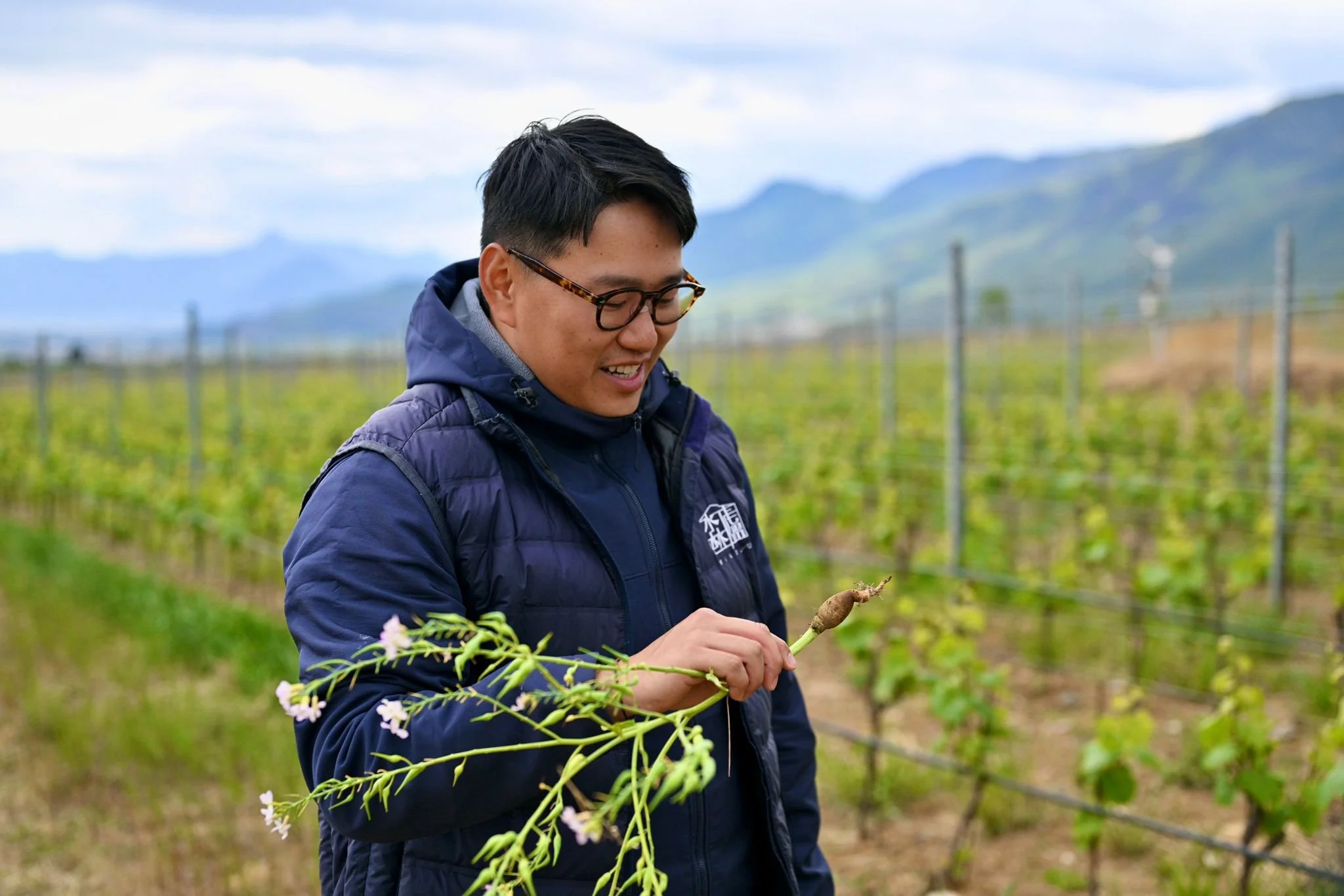
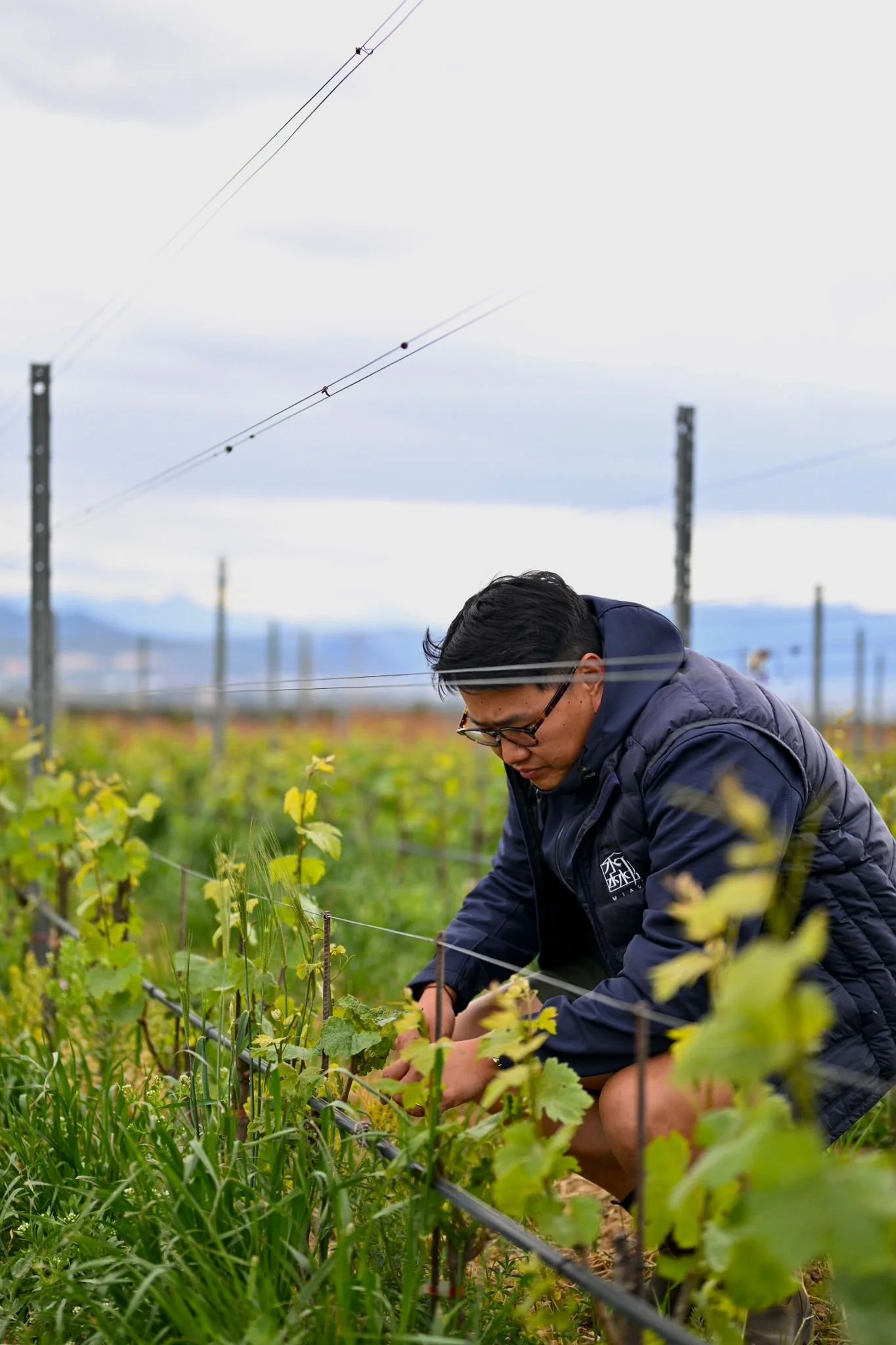
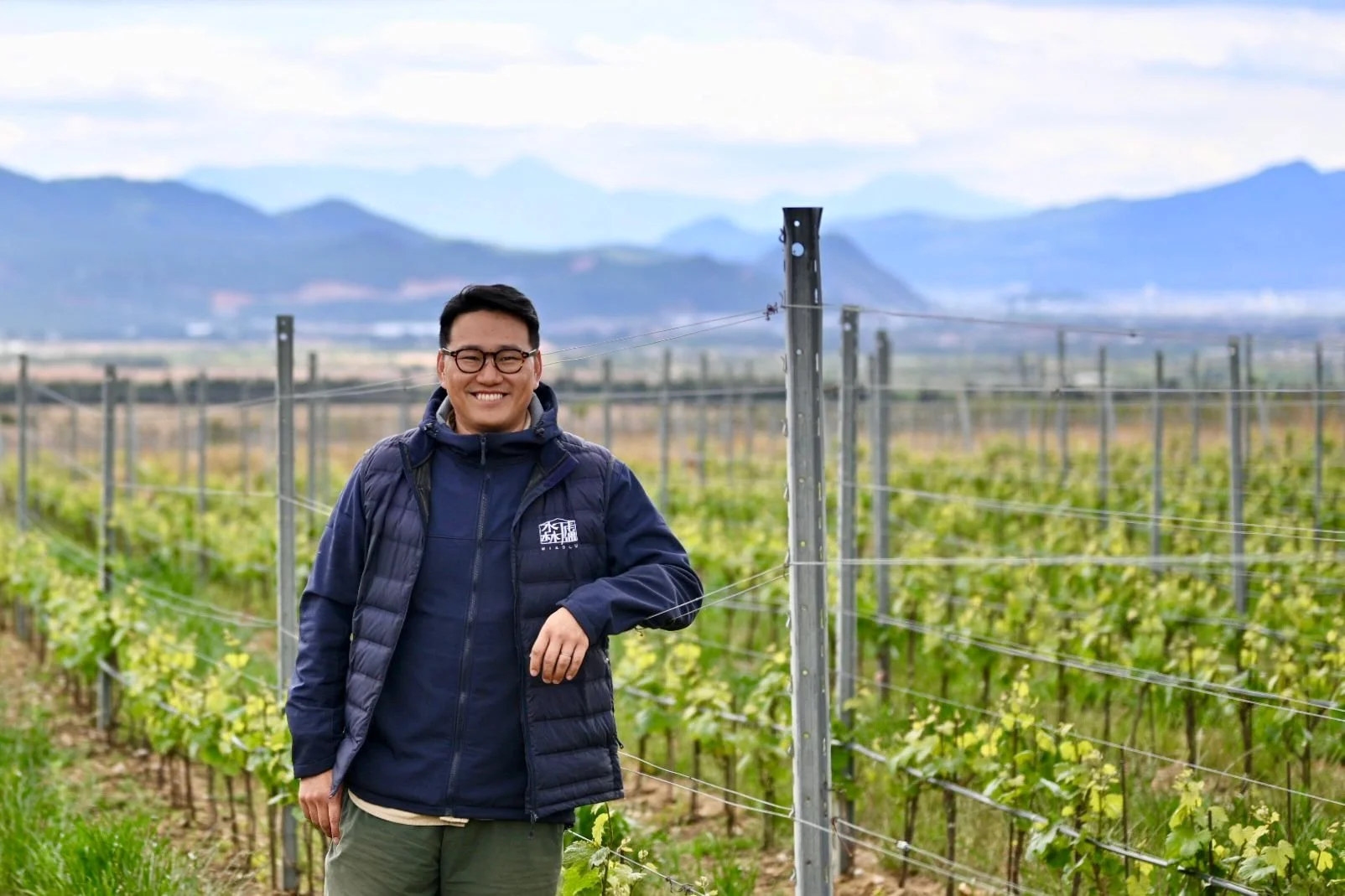
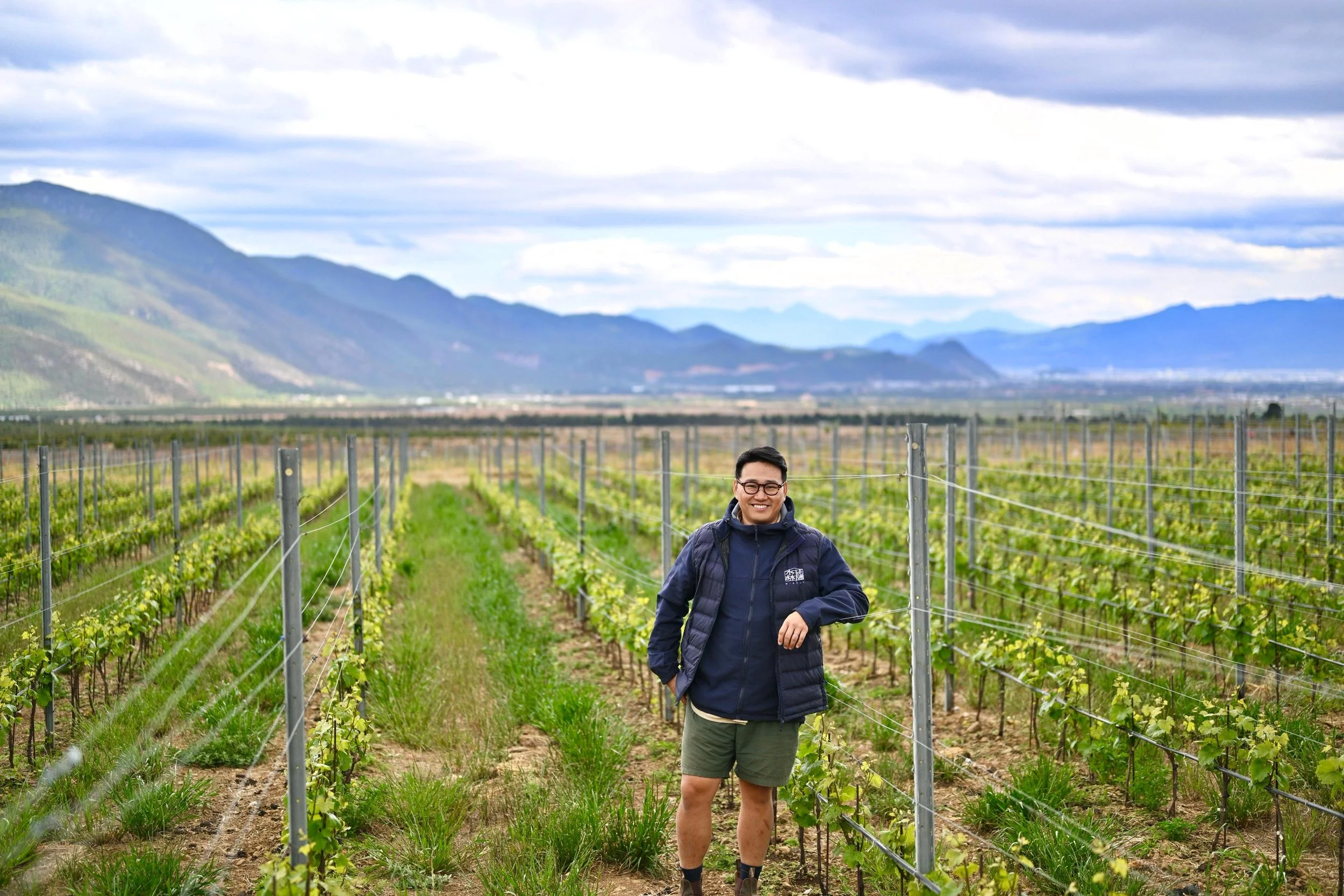
Domaine MIAOLU - By Alex XU
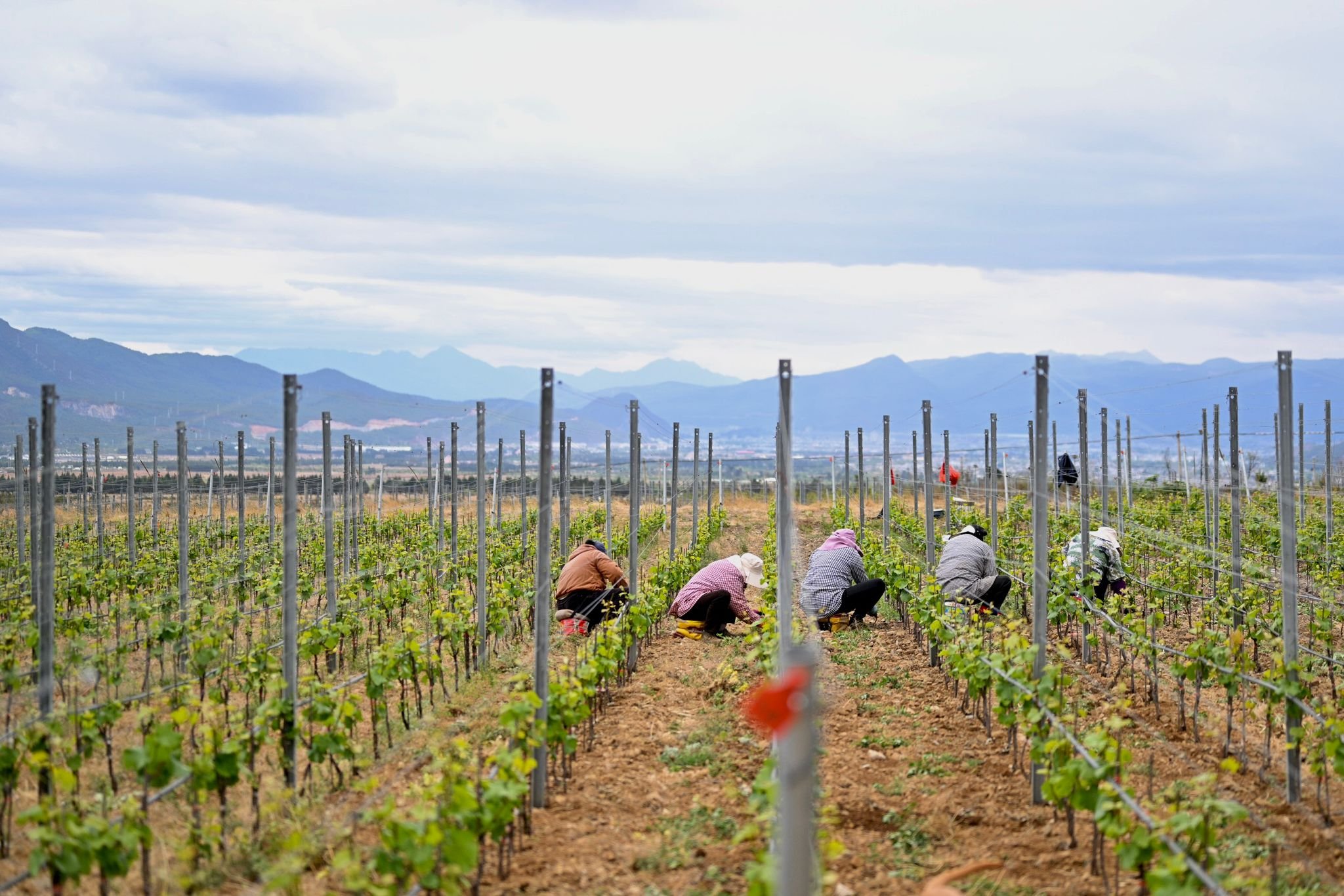
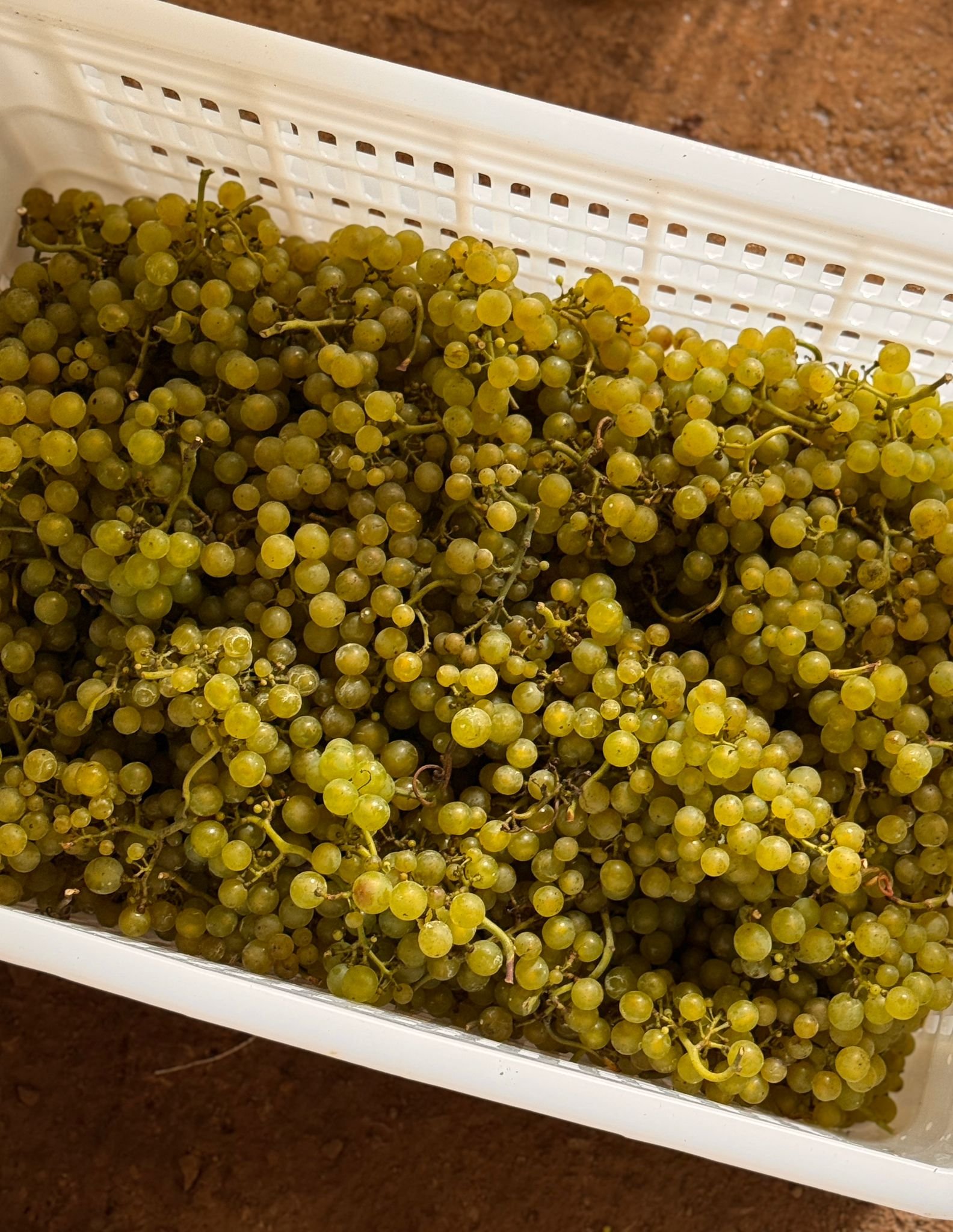
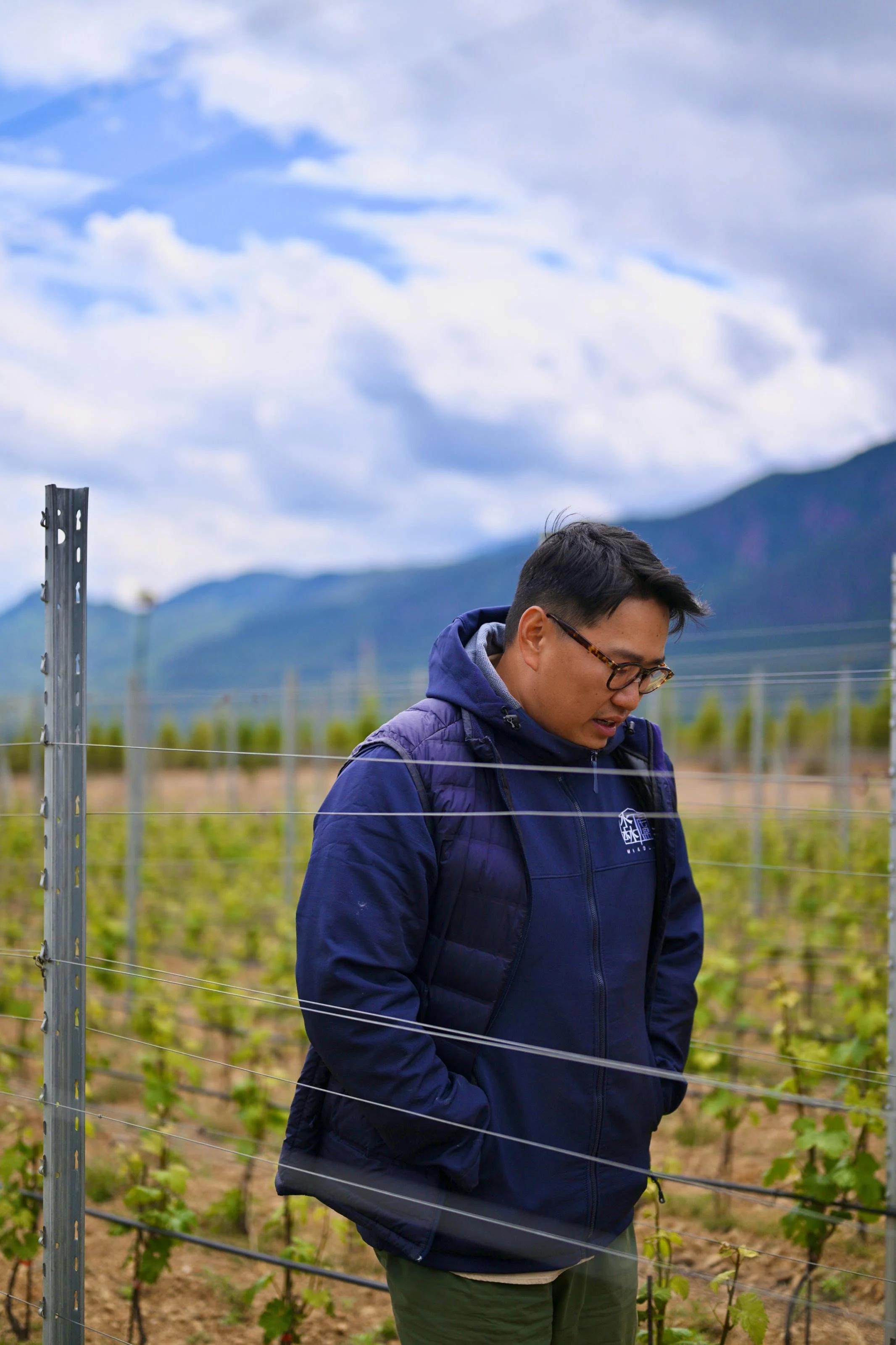
Nestled at an astonishing altitude of 2,800 meters—a height shared with Shangri-La but defined by a distinctively cooler, more rain-inflected growing season—Domaine MIAOLU is emerging as one of the most intellectually compelling and viticulturally uncompromising projects in China. Founded on a decade-long trajectory that began with a concept in 2015, the estate is an intentional rejection of the region’s status quo. While neighboring wineries routinely purchase high-yield, low-density fruit from local smallholders, MIAOLU relies entirely on its own estate-managed 2.5 hectares of ungrafted, self-owned massale selections. It is a domain built on a profound dialogue between rigorous geological science, extreme alpine terroir, and world-class Burgundian inspiration.
The Terroir: Extreme Atmosphere and Geological Deficit
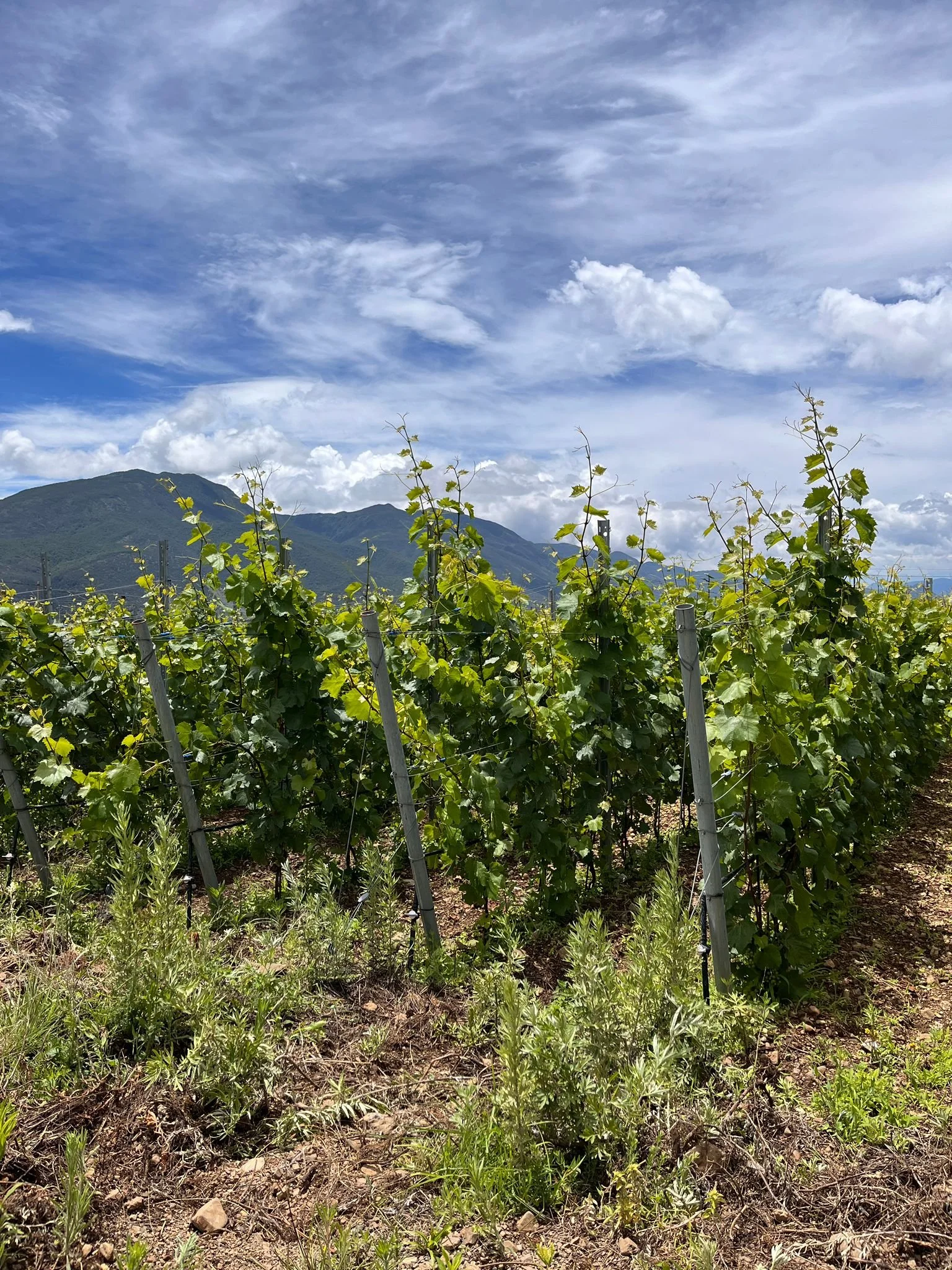
The estate’s 3-hectare total footprint is a crucible of natural stresses. Conceived after a full year analyzing soil and weather data, the native terroir is a complex, neutral-pH matrix of limestone, and basalt sand. It is a soil defined by what it lacks: it features virtually zero clay and exceptionally low organic matter, resulting in low vigor capacity and a naturally poor water retention capacity.
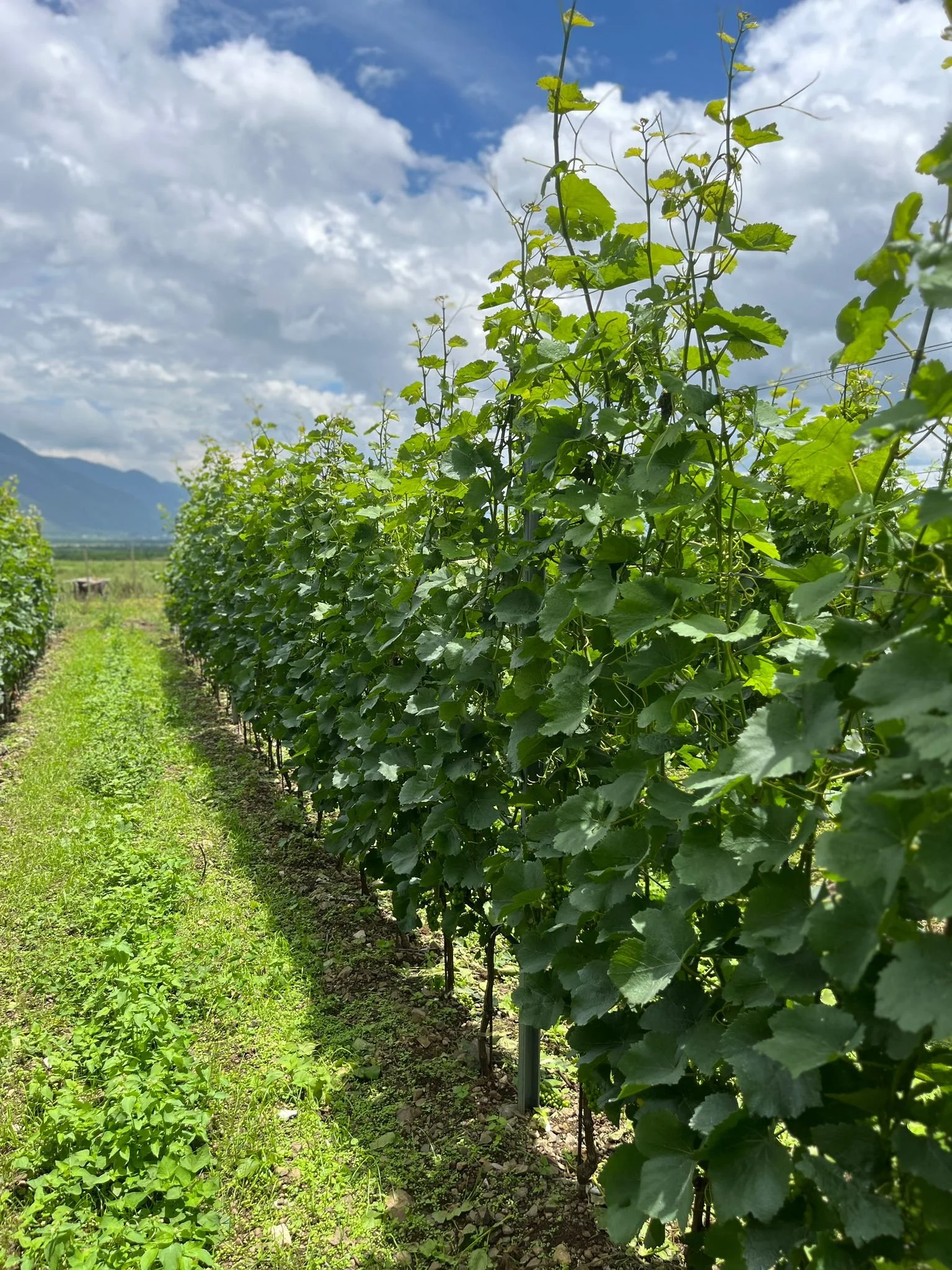
Architecturally, the vineyard layout takes inspiration from 19th century pre-phylloxeric Burgundian norms. While initial plantings of Dujac massale selections sit at 12,000 vines/ha (0.5m×1.5m spacing with 4 shoots per vine), the estate is progressively moving toward even higher-density plots at 20,000 and 33,000 vines/ha, which have proven to be the parcels most resilient towater stress.
Climatically, the vine cycle is shaped by cool annual temperatures, no higher than 25 Celsius, persistent, strong wind pressures and a hyper-specific precipitation pattern: a dry spring and autumn, summer rains, and crucially, a reliably dry harvest window. The defining atmospheric factor, however, is the intense ultraviolet radiation. Rather than dehydrating the crop into flaccidity, this high-UV environment acts as a natural catalyst, prompting the vines to adapt by growing structurally thicker berry skins—a phenomenon that underpins MIAOLU’s entire winemaking philosophy
In the Vineyard: Radical Deficit and Counter-Intuitive Zoning
MIAOLU’s viticulture is guided by an ethos of strict water-deficit management. Irrigation is deployed only during the winter, forcing the vines to forage deeply through the lean soil. To mitigate wind and moisture stress without inflating the berries, the estate has implemented a series of highly precise protocols:
Symbiotic Viticulture: The soil is inoculated with Arbuscular Mycorrhizal Fungi (AMF), building an underground mycelial network that optimizes nutrient uptake, complemented by planting cherry and peach trees in the surrounding space to create shade and further fungal diversity in the soil, and supplemented with seaweed extract, fish hydrolysate, and humic acid sprays.
Tillage ceases entirely after flowering to prevent nitrogen release and sudden berry expansion. Cover crops are sown in late spring to manage soil temperatures, increase soil microbial life as well as absorb water from summer rains. Undervine soil management is done entirely by hand.
Delayed Pruning & Tressage: Pruning is pushed back to late March to encourage smaller, looser clusters, while longer spurs are retained to stabilize annual yield consistency. Tressage (braiding the canopy rather than hedging) is executed every July to allow for earlier cessation of the vegetative cycle, allowing earlier phenolic ripeness, smaller berries and looser clusters.
In a fascinating subversion of general viticultural wisdom, MIAOLU practices counter-intuitive soil zoning: planting the finicky Pinot Noir on the lean, light "white" soils for finesse and perfume, and reserving the richer "red-brown" soils for Chardonnay to amplify their density and structure. The yield reflects this extreme rigor: in the wet 2025 vintage, the estate saw a minuscule, grand-cru-level output of just 7 hectoliters per hectare.
The Cellar: Structural Purity and Temporal Patience
The winemaking at MIAOLU—informed by the founder’s - Alex XU - 2018 and 2019 stints at iconic domains like Dujac (Burgundy) and Bindi (Australia)—is a masterclass in low-intervention, high-structure texturing.
Red Vinification (Pinot Noir)
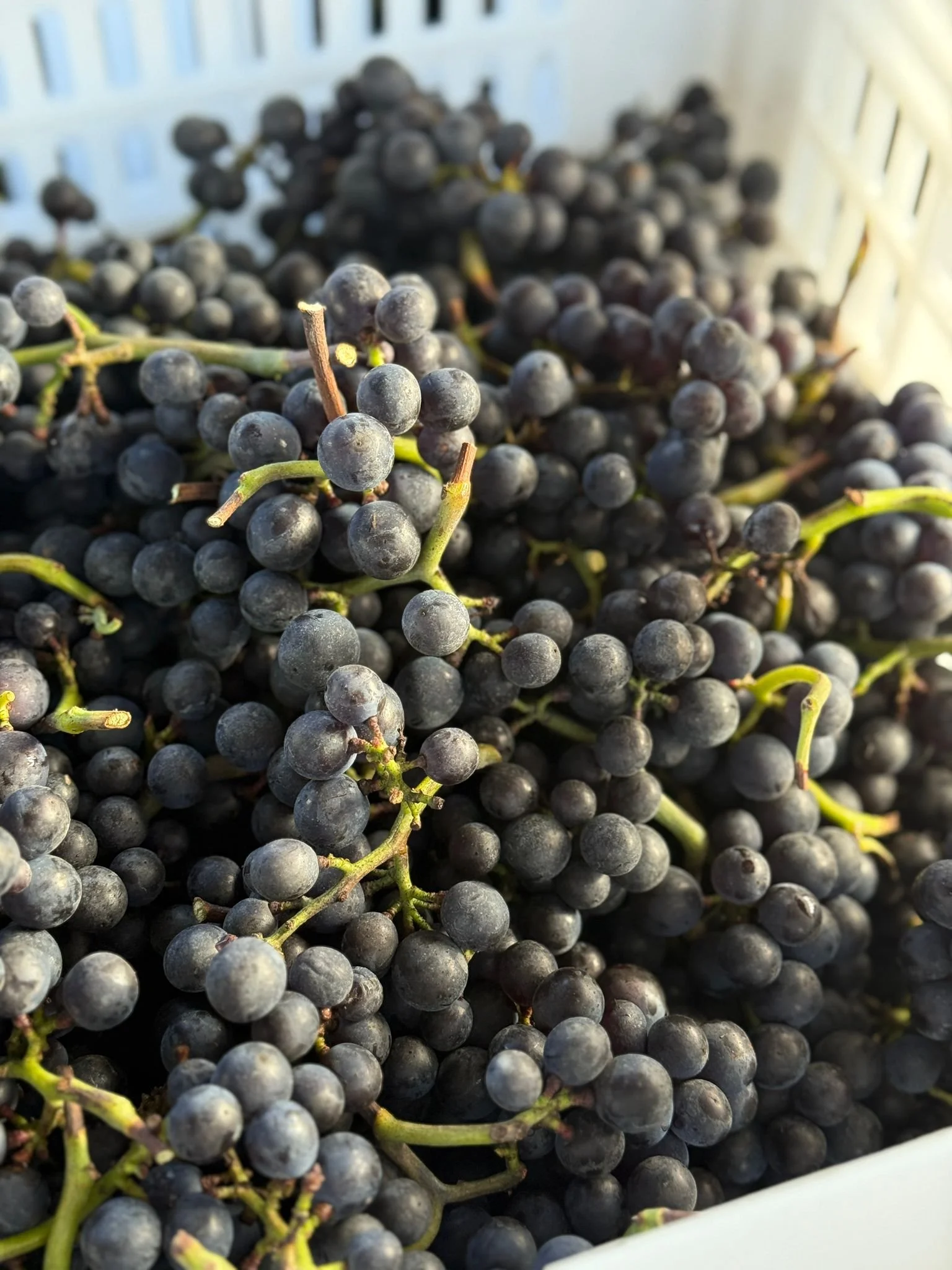
MIAOLU practices a 100% whole-cluster philosophy. The high UV-induced thick skins provide the perfect structural counterpoint to stem inclusion. Stems are meticulously prepped by cutting away at the lignified peduncle, leaving the main green stems intact to amplify the inherent floral aromatics and ensure a slow, seamless integration of sapidity and fine-grained tannin rather than a disjointed flavor profile.
Fermentations are fast (6 to 9 days) and cool, driven by a zero-whole-berry, pigeage by foot approach. The wine is pressed dry using a hydraulic basket press, undergoes an early malolactic fermentation to lock in its pristine alpine energy, and ages for a 15 months in 228L François Frères oak barrels (featuring a custom, long-and-low toast profile), with trials using single origin forest wood.
White Vinification (Chardonnay)
The Chardonnay undergoes an intentional, slow-motion evolution. Grapes are crushed prior to long pressing without rebeche to capture acidity and dry extract without potassium release, followed by a one-night tank settling to induce controlled browning before sulfur is introduced. A long, cool 6-to-8-week fermentation gives way to 2 years of sur lie ageing without full battonage in French oak barrels from Loche forest.
To preserve natural yeast autolysis, the wine is bottled directly from the barrel after a minimum of 24 months. The structural profile of the 2024 Chardonnay is a striking throwback to pre-global warming eras: a searing pH of 3.14 and a razor-sharp 9g/L of Total Acidity, balanced by a massive 26g/L of dry extract that imparts profound physical density. Larger 350L formats are partially included to further preserve this chiseled freshness
Liquid Architecture: The Tasting Profile
The liquid inside the bottle confirms MIAOLU’s place at the absolute vanguard of Chinese fine wine.
2024 La Roche 絡石園 Pinot Noir (1,000 bottle production): An ethereal yet deep expression of high-altitude viticulture. Requiring extended breathing, it reveals a hyper-vibrant, alpine freshness layered with wild local cherries, blueberries, and a signature Damask rose aromatic profile. It possesses a striking, crystalline depth.
2025 La Roche 絡石園 Pinot Noir (Barrel Sample): Harvested slightly later than the 2024, this low-yielding vintage displays a denser core of black cherries and sweet spices, while retaining the estate’s hallmark floral lift and mountain-air vitality.
2024 La Roche 絡石園 Chardonnay (Scheduled for a 2027 release; ~1,000 bottles): A tour de force of reduction and acid architecture. The nose leads with an intense, toasted-sesame reduction reminiscent of premium Aligoté (perhaps a nod to the trial Aligoté clones sourced from William Kelley), opening up to citrus oil, noisette, and crushed stones. Structurally, it marries the laser-like, mineral acidity of a top-tier Keller Riesling with a dense, phenolic weight.
The Future: Pre-Industrial Aesthetics & Gravity
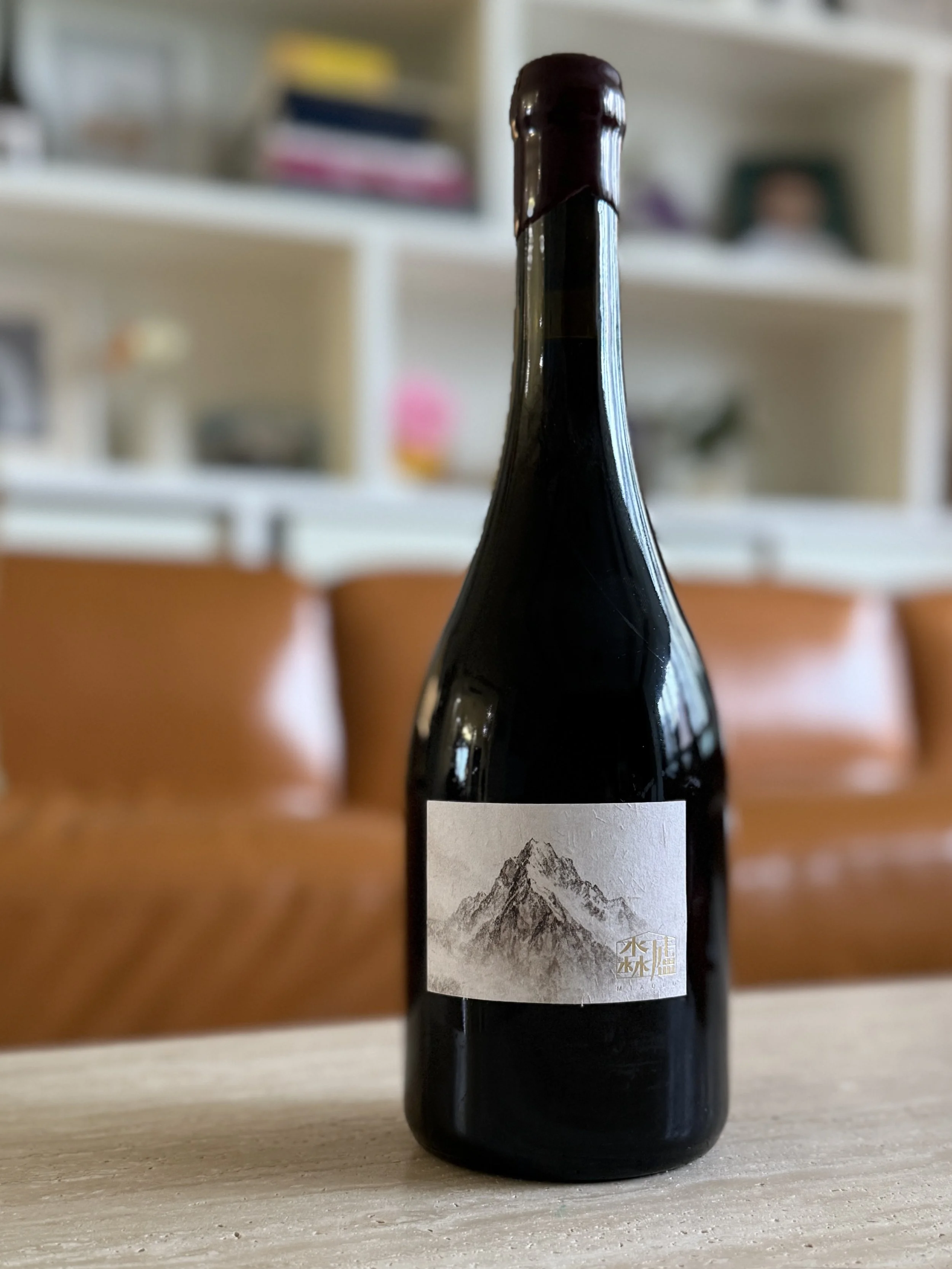
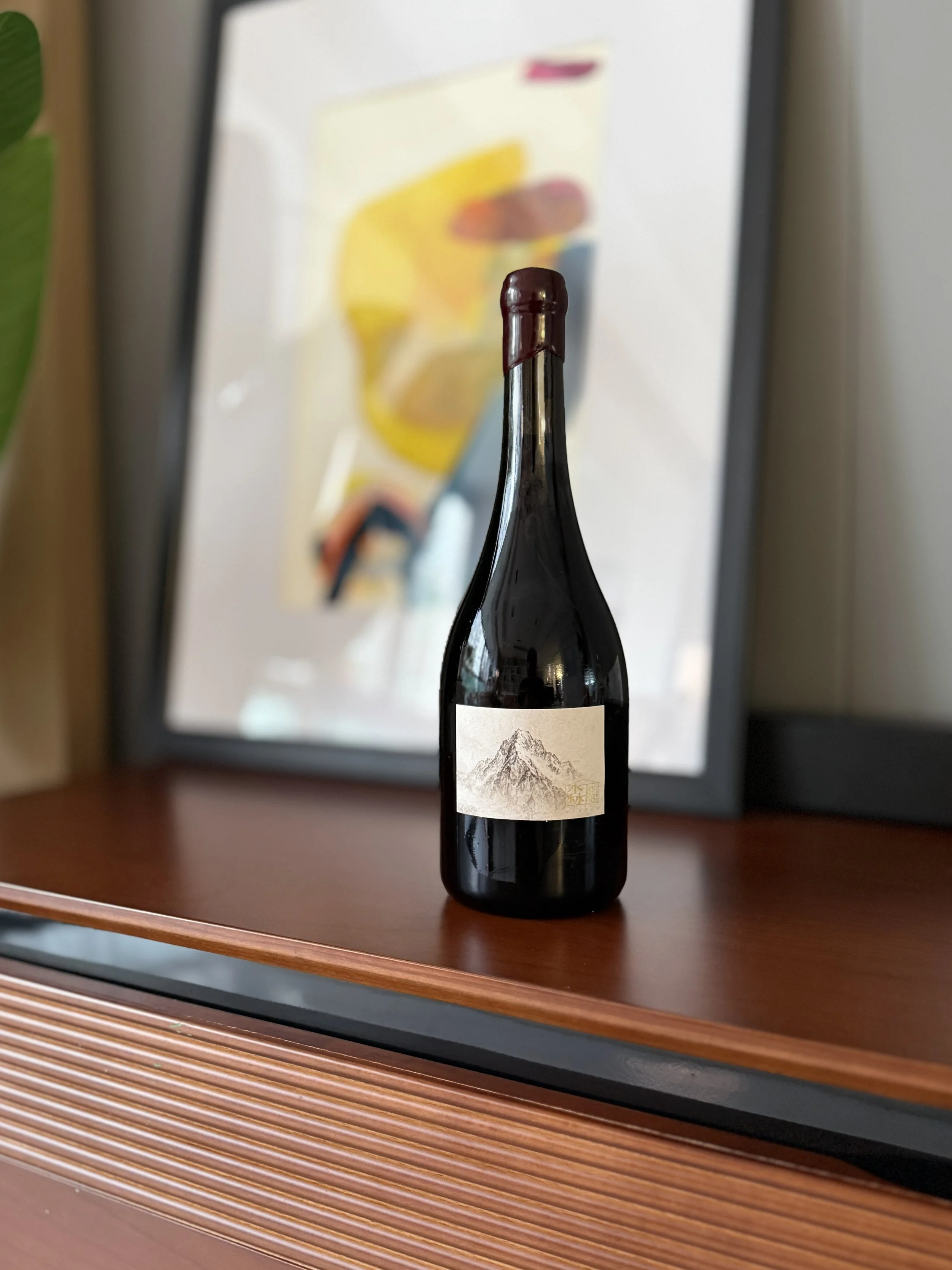
MIAOLU's commitment to authenticity extends to its aesthetic presentation. Embracing a non-consensual, anti-industrial stance, the estate utilizes custom 19th-century-shaped bottles featuring long, parallel necks designed for heavy-duty 54mm corks, adorned with labels painted by local artists.
With 30% of annual production systematically held back as library reserves to track the aging potential of this newborn terroir, and the imminent construction of a brand-new gravity-flow winery adjacent to the vines, Domaine MIAOLU is not merely making wine at the edge of the world—it is rewriting the script for what luxury Chinese wine can be.







Imported in Hong Kong and Macau by Souveraine Limited and in Mainland China by MUYI
————————————————————————
淼庐酒庄 (Domaine MIAOLU) - 由徐庭(Alex XU)创立
淼庐酒庄(Domaine MIAOLU)坐落在令人惊叹的2800米极端高海拔之上——这一高度虽与香格里拉相当,却拥有更为寒冷、且伴有更多雨水修正的独特生长期。如今,它正崛起为中国最具深度思辨色彩、在葡萄栽培上最具不妥协精神的先锋项目之一。酒庄的诞生源于长达十年的砥砺前行(其概念始于2015年),它的创立是对当地行业现状的一种蓄意反叛。当邻近的酒庄惯于从当地农户手中收购高产量、低密度的果实,妙麓则完全依赖其自主管理、占地2.5公顷的未嫁接、自根马赛尔选育(Massale Selections)单一园。这是一个建立在严谨的地质科学、极端的 alpine 高山风土与世界级勃艮第灵感之间深刻对话的杰出名庄。
风土:极端气候与地质匮乏
酒庄总计3公顷的土地是一个充满自然压力精髓的熔炉。在对土壤和气象数据进行了整整一年的缜密分析后,这一原生风土被确立为由石灰岩和玄武岩砂砾组成的复杂、中性pH基质。这片土壤的特征在于其“匮乏”:其粘土含量几乎为零,有机质极低,从而带来了极低的树势潜力以及天生贫弱的持水能力。
在种植架构上,葡萄园的布局灵感源自19世纪根瘤蚜侵袭前的勃艮第规范。虽然在2017年最初种植时,源自Dujac酒庄的马赛尔选育剪枝是以每公顷6000株的密度落户,但随后发现其树势严重不足,因此在2019年生长期到来前,酒庄迅速将密度翻倍至每公顷12,000株(0.5米×1.5米的间距,每株留4个新梢);随后在2022年,酒庄进一步种植了每公顷20,000株和33,000株的超高密度(HD)地块,而这些地块已被证实是对水分胁迫最具抵御能力的杰出地块。
从气候角度来看,葡萄藤的生命周期受制于寒冷的年均气温(最高不超过25摄氏度)、持续且强劲的风压以及极具特异性的降水模式:春季和秋季干燥,夏季多雨,而至关重要的一点是——收获季拥有稳定且干燥的气候窗口。然而,决定性的气象因素当属强烈的紫外线辐射。这种高紫外线环境并未将果实脱水至干瘪无力,而是作为一种天然催化剂,促使葡萄藤进行自我调节,生长出结构更厚实、单宁结实的浆果表皮——这一生物学现象奠定了妙麓整个酿酒哲学的基石。
葡萄园管理:极端匮乏与反直觉的土壤分区
淼庐的葡萄栽培以严格的水分胁迫管理(Water-deficit management)为导向。灌溉仅在冬季进行,以此迫使葡萄藤的根系向贫瘠的土壤深处纵向掘进以寻找养分。为了在不导致浆果过度膨胀的前提下,缓解大风和湿度的压力,酒庄实施了一系列极尽精确的规范程序:
共生栽培(Symbiotic Viticulture): 土壤中接种了丛枝菌根真菌(AMF),在地下构建出优化的菌丝网络以提升养分吸收效率;同时在周边空间套种樱桃树和桃树以提供遮阴,进一步增强土壤中的真菌多样性;并辅以海藻提取物、鱼类水解物和腐殖酸喷雾。
花后断耕: 开花期结束后完全停止中耕,以防止氮素释放引发浆果的骤然膨胀。春末播种覆盖作物(Cover crops),用以调节土壤温度、增加土壤微生物活性,并吸收夏季降水。藤株下方的土壤管理则完全由手工完成。
延迟剪枝与编织修剪法(Tressage): 冬季剪枝被推迟至3月下旬,以诱导生长出更小、更松散的果穗,同时保留较长的长枝(Spurs)以稳定年际产量的连续性。每年7月进行编织修剪法(Tressage,将顶端副梢编织缠绕而非直接对冠层进行机械截顶),从而实现营养生长的提前停止,促使酚类物质更早成熟,获得更小的浆果与更松散的果串。
在对传统栽培常识的一次令人惊叹的反叛中,淼庐实施了反直觉的土壤分区规划:将极为娇贵的黑皮诺(Pinot Noir)种植在贫瘠、轻质的“白土地”上,以追求极致的细腻感与香气;而将相对肥沃的“红棕色土地”留给霞多丽(Chardonnay),以增强其酒体的结构感与丰满度。产量印证了这种近乎极端的严苛:在多雨的2025年份,酒庄的产量低至微乎其微的每公顷7百升(7 hl/ha),这完全是特级园(Grand Cru)级别的极致产出。
酿造车间:结构纯净度与时间的耐心
妙麓的酿造工艺——得益于创始人徐庭(Alex XU)于2018年和2019年先后在勃艮第传奇酒庄Dujac以及澳大利亚名庄Bindi的研习经历——堪称一场将“低干预”与“高结构纹理感”完美融合的教科书级示范。
红葡萄酒酿造(黑皮诺)
妙麓践行100%全梗发酵(Whole-cluster philosophy)哲学。高紫外线催生出的厚实果皮,恰好为带梗发酵提供了完美的结构支撑。酒庄对果梗进行了极其细腻的预处理:小心剪除已木质化的果柄,保留完整的绿色主梗,以放大果实天然的芳香感,并确保鲜咸的矿物感与细腻的单宁能够缓慢、无缝地融为一体,而非呈现分离的生硬风味。 发酵过程快速(6至9天)且在低温下进行,采用零整果、完全纯手工/脚踩(Pigeage by foot)的方式。使用液压筐式压榨机将其榨干,随后进行极早的苹果酸-乳酸发酵(MLF),以锁住其纯净的高山原生态能量;之后在228升的François Frères橡木桶(采用定制的“长时低温烘烤”工艺)中陈酿15个月,期间还加入了单一产区森林木材橡木桶的陈酿对比实验。
白葡萄酒酿造(霞多丽)
霞多丽则经历了一场蓄意的、宛如慢镜头般的演变。葡萄在进行长时压榨前先进行破碎,且绝不进行复榨(No rebeche),以此捕捉最纯粹的酸度与干浸出物,并避免钾元素的释放;随后在不锈钢罐中进行一夜静置,在加入硫磺之前诱导其进行可控的氧化褐变(Controlled browning)。随后经历长达6至8周的漫长低温发酵,之后在源自Loche森林的法国橡木桶中进行为期2年的带酒泥(Sur lie)陈酿,且不进行完全的人工搅拌(Battonage)。 为了完整保留天然酵母的自解产物,葡萄酒在陈酿至少24个月后直接从原桶装瓶。2024年份霞多丽的结构轮廓极具震撼力,仿佛让人回到了全球变暖之前的黄金时代:其pH值低至惊人的3.14,总酸度(TA)高达凌厉的9g/L,而与其完美制衡的则是高达26g/L的庞大干浸出物,赋予了酒体深邃的物理厚度。酿造中还部分引入了更大的350升大桶,以进一步保留这种如凿刻般的凌厉清爽感。
流动建筑:品鉴风采
瓶中的佳酿交出了一份惊艳的答卷,确立了妙麓在中国顶级高端葡萄酒绝对先锋阵营中的不朽地位。
2024 La Roche 絡石園 黑皮诺(产量1,000瓶): 这一款对高海拔栽培空灵而深邃的极致表达。它需要较长时间的醒酒,随后便会绽放出极具生命力、高山流水般的清爽感,层层交织着当地野生樱桃、蓝莓以及标志性的野生大马士革玫瑰的香气,拥有一种令人惊叹的、如水晶般剔透的深度。
2025 La Roche 絡石園 黑皮诺(桶样): 采收期比2024年份略晚,在这个极低产量的年份里,它展现出了更为浓郁的黑樱桃和甜香料的核心风味,同时依旧保留了酒庄招牌式的花香提振感与山地空气般的凛冽活力。
2024 La Roche 絡石園 霞多丽(预计2027年发售;约1,000瓶): 一部关于还原风格(Reduction)与酸度架构的巅峰之作。香气以强烈的烤芝麻还原风味拉开序幕,让人不禁联想到顶级的阿里高特(Aligoté,这或许是在向酒庄从William Kelley处引种的阿里高特实验克隆致敬),随后释放出柑橘油、榛子和碎石的气息。在结构上,它将顶级Keller雷司令那激光般精准的矿物酸度,与极其浓郁的酚类物质重量完美地嫁接在了一起。
未来:前工业时代美学与重力引力
妙麓对本真性的追求同样延伸到了其美学呈现上。酒庄秉持一种拒绝妥协、反工业化的先锋姿态,采用了定制的19世纪复古瓶型——其特点是拥有长而平行的瓶颈,专为重型54毫米顶级长木塞而设计,瓶身则点缀着由当地艺术家亲手绘制的酒标。
为了追踪这一初生风土的陈年潜力,每年有30%的产量被系统性地留存作为酒庄珍藏库(Library reserves);加之紧邻葡萄园、即将落成的全新全重力流(Gravity-flow)酿酒车间,淼庐酒庄(Domaine MIAOLU)不仅仅是在世界的尽头酿造美酒——它正在颠覆并重新书写中国奢侈品葡萄酒的未来宏图。