Burgundy Wine Rising Stars
The Burgundy wine region is in the midst of an exciting transformation. While legendary producers built its global reputation, the traditional hierarchy is now being challenged by a dynamic new wave of rising stars crafting exceptional wines. Figures like William Kelley, Jean Marshall, and Guilbert Gillet embody a shift that shows no sign of slowing down.
Burgundy’s modern international acclaim began in the 1980s as American and British consumers discovered the region’s wines, guided by influential importers like Becky Wasserman. This shift started with a bold decision by visionary vignerons like Armand Rousseau to bottle their own wines rather than sell juice in bulk to négociants—a practice that had been standard for decades.
By the early 2010s, a firmly established market was dominated by roughly a dozen elite estates, most notably Domaine de la Romanée-Conti and Domaine Coche-Dury. Alongside these titans emerged Domaine Leroy. After founding her own estate in 1989, Lalou Bize-Leroy introduced radical innovations: adopting organic farming when it was virtually unheard of in Burgundy, implementing strict grape sorting, and refining oak usage. Later, in the 2010s, she raised her vineyard stakes to 1.8 meters—far above the traditional 80 centimeters—allowing her to stop hedging the vines and avoid cutting the apex. Though heavily criticized by traditionalists, her agronomic approach was revolutionary.
Meanwhile, the demand landscape shifted dramatically. In 2008, Hong Kong slashed its wine import tax from 150% to zero, catalyzing a boom across Asia. As regional palates embraced Burgundy, prices soared. Encouraged by this momentum, a new generation of winemakers established fresh estates. Crucially, several previously obscure domaines achieved elite status by adopting Bize-Leroy’s uncompromising philosophy.
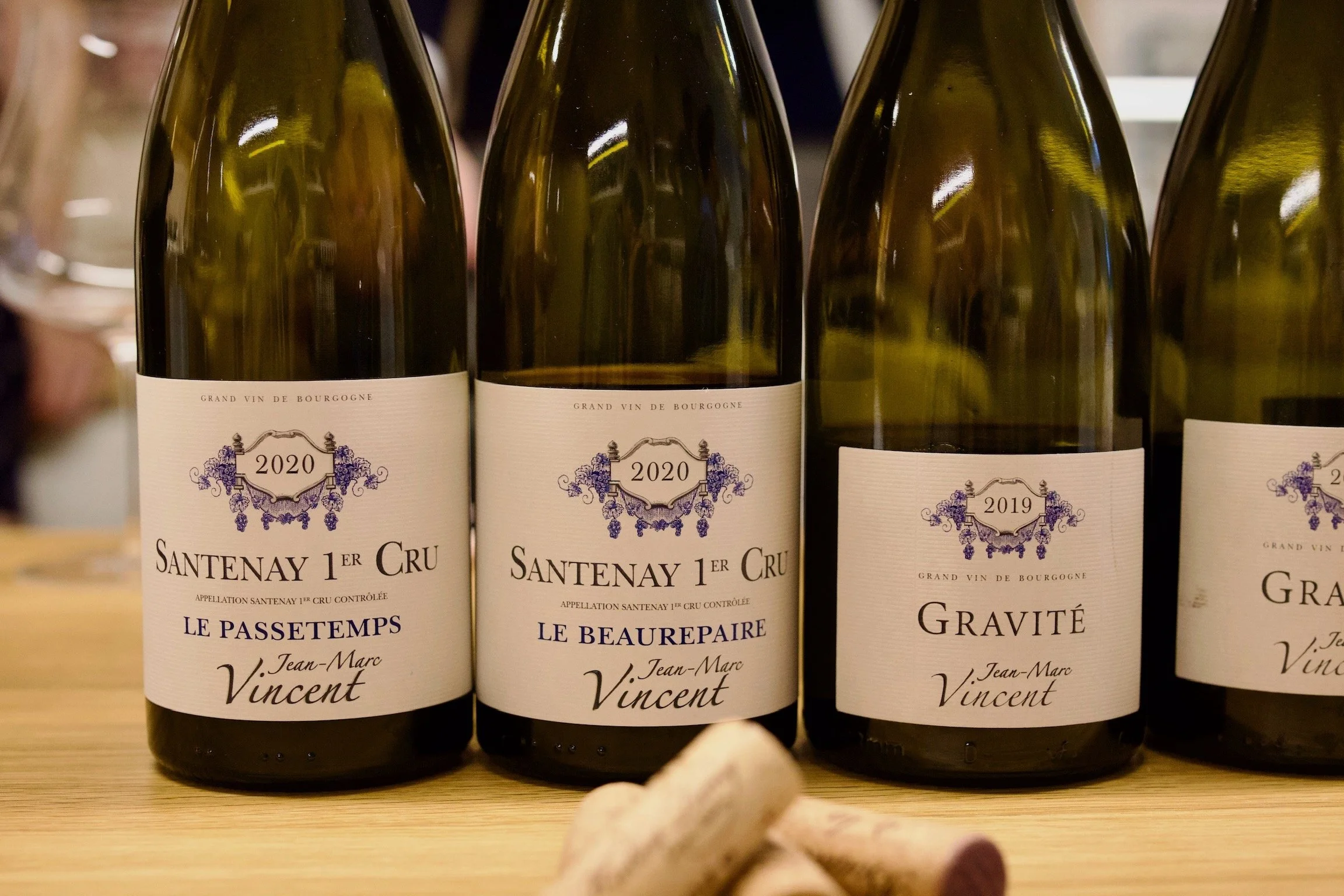
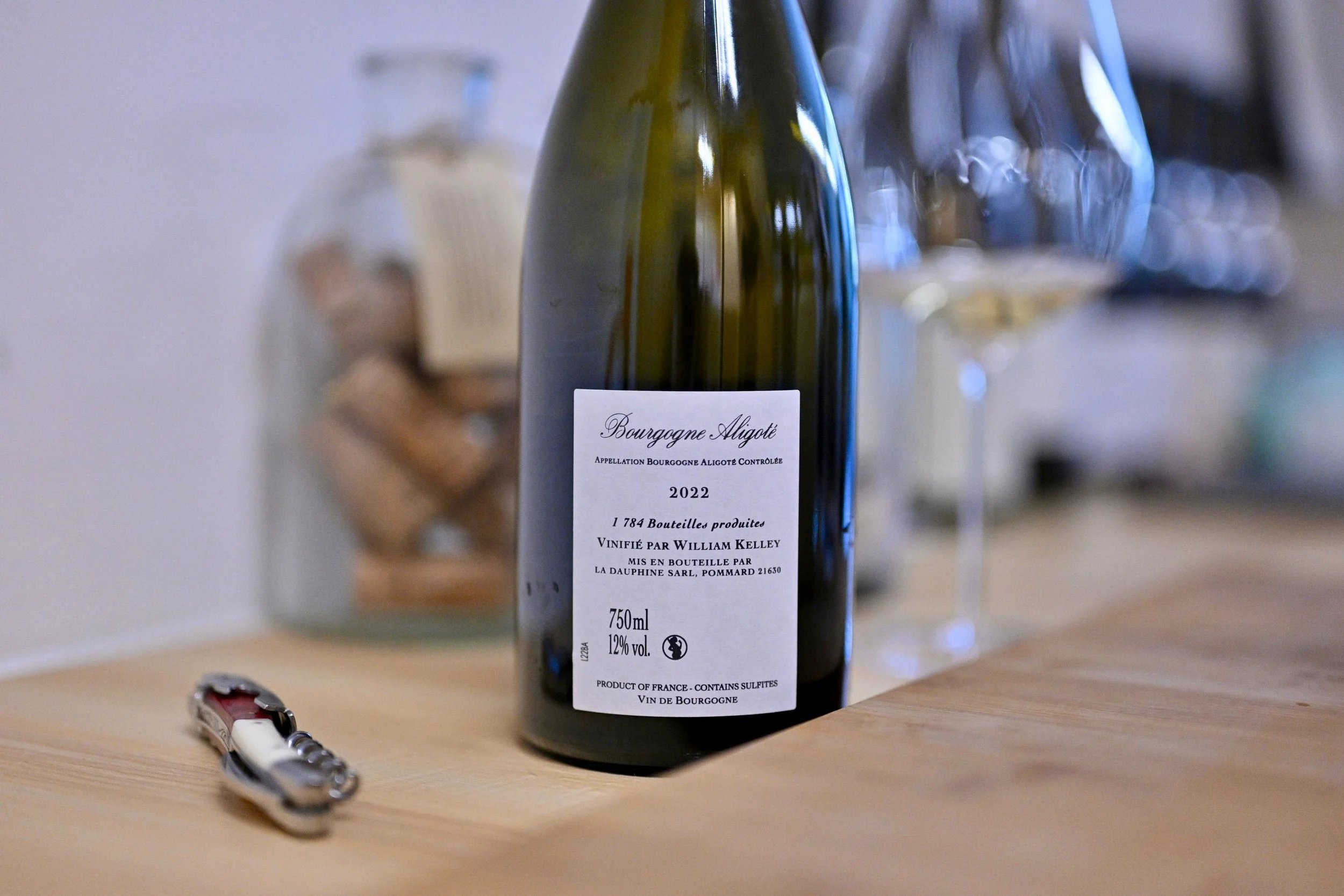
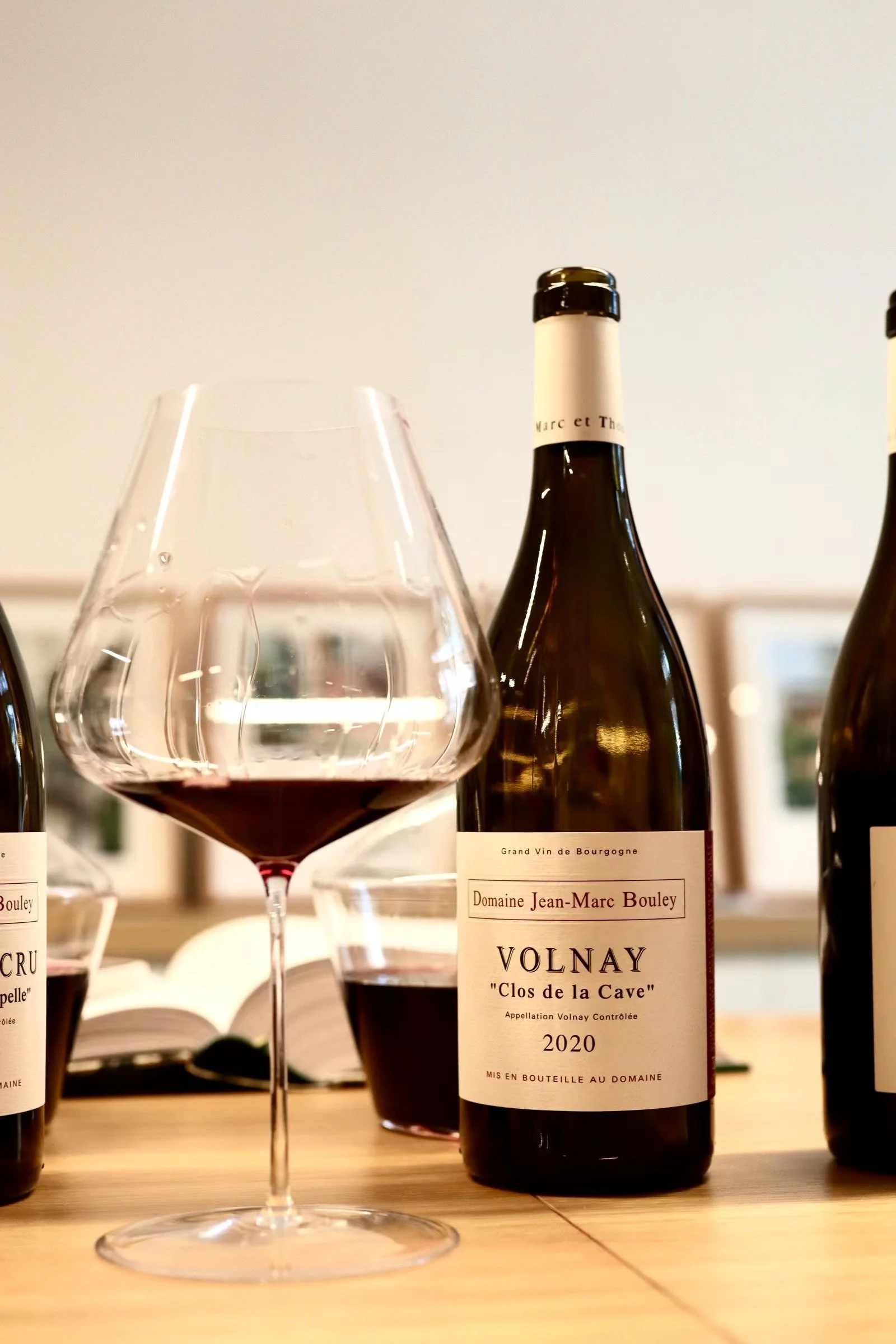
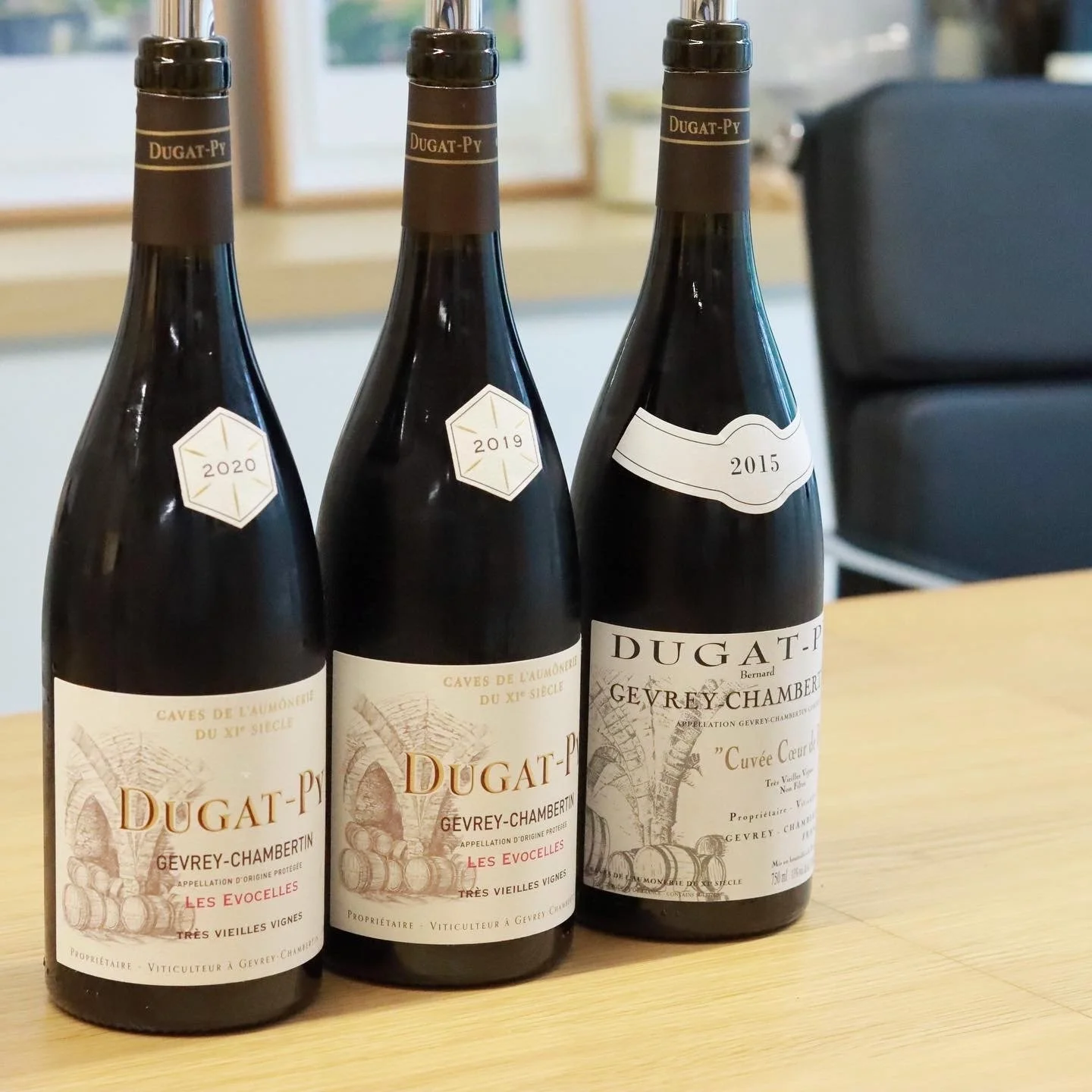
Innovation took root across the region. In the late 1990s, Olivier Lamy of Domaine Hubert Lamy began planting high-density vineyards—up to 38,000 vines per hectare compared to the standard 8,000—forcing roots deep into the bedrock to unlock extraordinary complexity. In Santenay, Jean-Marc Vincent adapted these ultra-dense plantings and refined his own methods through extended élevage and bespoke barrel selection. An informal network of like-minded innovators took shape, including Jean Marc Vincent, Thomas Bouley in Volnay, and William Kelley in Pommard. Further north, Cécile Tremblay in Morey-Saint-Denis and Domaine Dugat-Py in Gevrey-Chambertin earned widespread acclaim by pairing ancient vines with Leroy-inspired viticulture.
Yet, the title of "rising star" is often misapplied today. In a market where small-batch Burgundy sells effortlessly regardless of quality—often fueled by social media presence—true excellence remains rare. A genuine rising star is defined by a clear, uncompromising 20-year vision. They understand that outstanding wine is 70% viticulture, achieved through flawless agronomy before harvest ever begins. In the cellar, they possess the technical precision to make the right decisions at crucial moments and the patience to refuse early market releases. In reality, such dedicated vignerons remain few and far between.
BURGUNDY RISING STARS? Separating Real talent from Market Hype:
- Domaine Jean Marc VINCENT
- Domaine William KELLEY
- Domaine Jean MARSHALL
- Domaine Guilbert GILLET
- Domaine Thomas BOULEY
- Domaine Cecile TREMBLAY
- Domaine DUGAT PY